
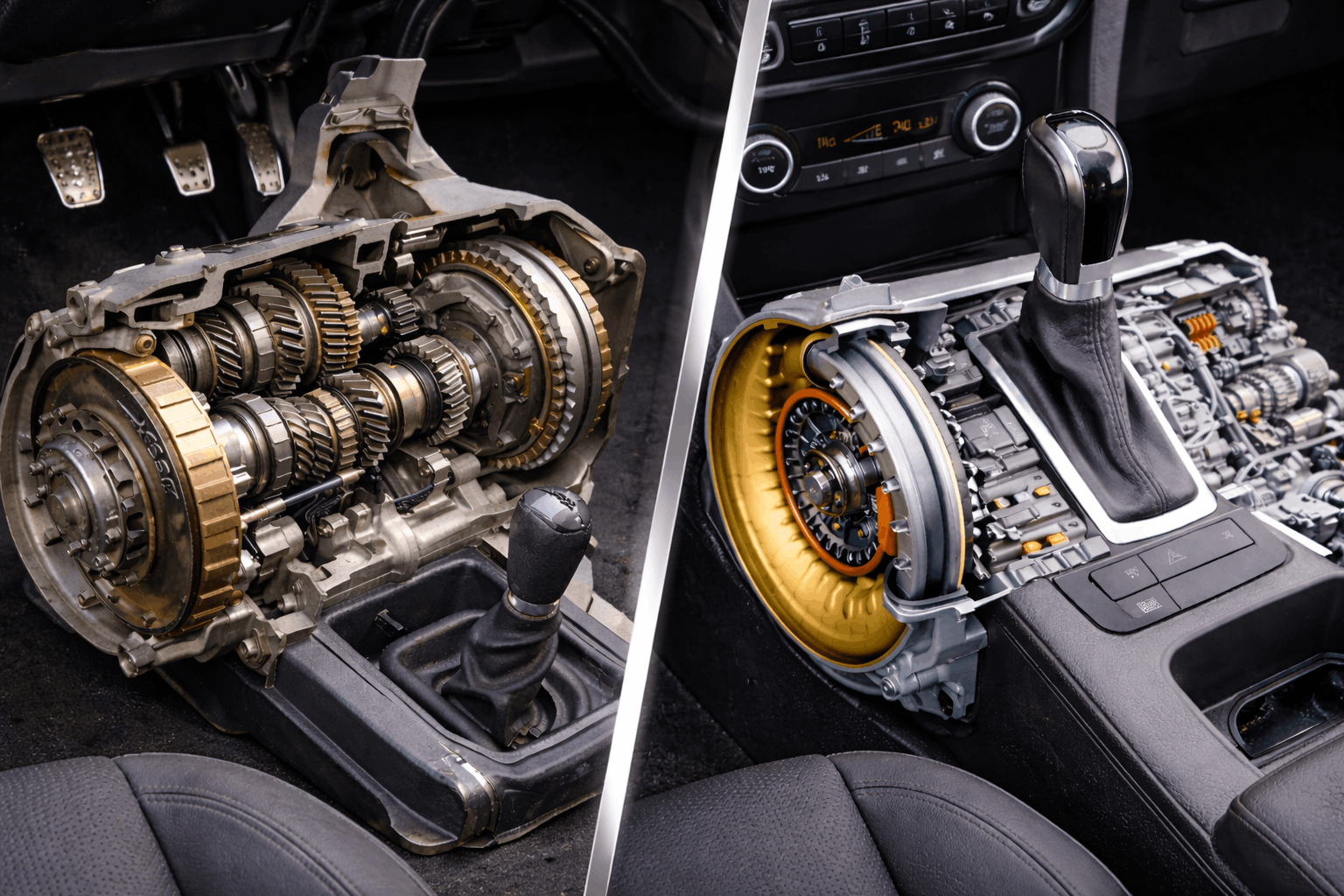
When choosing a vehicle, one of the most common debates drivers face is manual vs automatic transmission. While performance and driving comfort often influence the decision, maintenance requirements are another important factor that many car owners overlook.
Both transmission types play a crucial role in transferring power from the engine to the wheels, but they operate differently and therefore require different levels of care. Understanding how each system works and what maintenance they require can help Sydney drivers make informed decisions and avoid costly repairs.
In this guide, we’ll break down the key differences in manual vs automatic transmission maintenance, including servicing costs, common repairs, and which option may be better for long-term reliability.
Understanding How Manual and Automatic Transmissions Work
Before comparing maintenance needs, it helps to understand the basics of how each system operates.
A manual transmission relies on the driver to change gears using a gear stick and clutch pedal, selecting the right gear to match the vehicle’s speed and engine load.
An automatic transmission, on the other hand, automatically selects gears using hydraulic systems, sensors, and electronic controls. This allows smoother driving without the need for manual gear changes.
Because both systems work differently under the bonnet, their maintenance requirements can vary quite significantly.
Maintenance Requirements for Manual Transmissions
Manual gearboxes are generally considered simpler systems with fewer complex components. This simplicity often means lower long-term servicing costs.
Clutch Wear and Replacement
The clutch is the most frequently serviced component in a manual transmission vehicle. Over time, clutch plates wear out due to friction during gear changes.
Common signs of clutch wear include:
- Slipping gears
- Difficulty shifting
- Burning smell when changing gears
- Sluggish acceleration despite higher engine revs
Regular clutch inspection and repair can help prevent unexpected failures and extend the lifespan of your gearbox.
Gearbox Oil Changes
Manual gearboxes require periodic gearbox oil changes to lubricate internal gears and bearings. Fresh gear oil helps reduce wear and prevents overheating.
Most manufacturers recommend changing manual gearbox oil every 60,000–100,000 km, depending on driving conditions.
Simpler Repairs
Manual gearboxes also have an edge when it comes to repair complexity. With fewer hydraulic and electronic parts, repairs are generally less complicated and less expensive if something goes wrong.
Maintenance Requirements for Automatic Transmissions
Automatic transmissions are more technologically advanced and contain a greater number of moving parts, sensors, and hydraulic systems.
While they offer convenience, they typically require more specialised servicing.
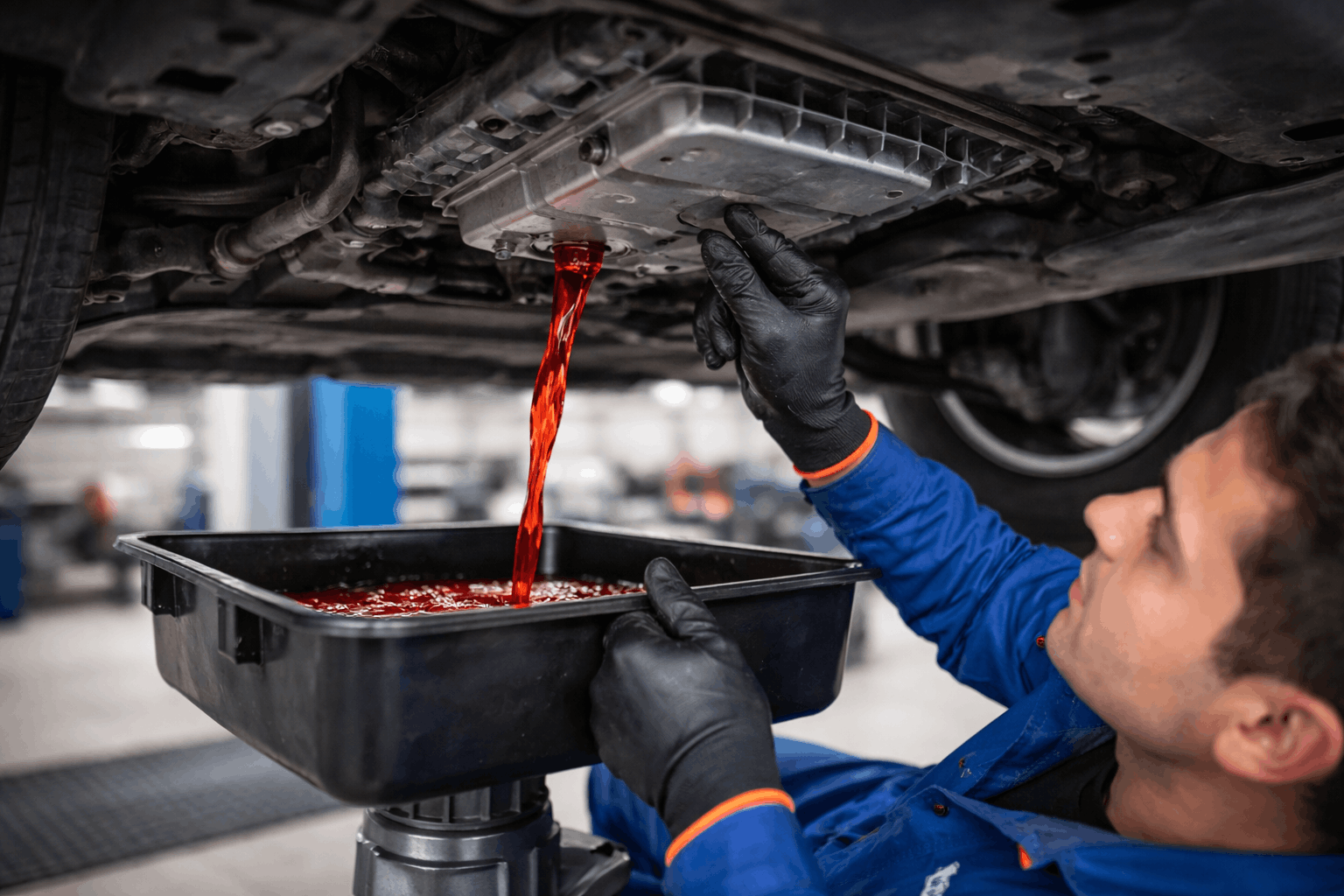
Transmission Fluid Servicing
Automatic transmissions rely heavily on transmission fluid to operate hydraulic systems that shift gears automatically.
Over time, the fluid can break down due to heat and contamination. Without proper servicing, this can lead to poor shifting performance or internal damage.
Regular automatic transmission servicing is essential, often recommended every 40,000–60,000 km.
More Complex Repairs
Repair costs for automatic transmissions are generally higher.
This is because automatic gearboxes include:
- Torque converters
- Valve bodies
- Electronic control modules
- Hydraulic pumps
These components require specialised diagnostics and skilled technicians to repair or replace.
Overheating Risks
Automatic transmissions are also more susceptible to overheating, especially in heavy traffic conditions common in Sydney’s urban driving environment.
Regular car servicing and fluid checks can prevent overheating and prolong transmission life.
Cost Comparison: Manual vs Automatic Transmission Maintenance
When evaluating manual vs automatic transmission maintenance costs, manual vehicles often come out ahead due to their simpler design.
Here’s a general comparison:
Manual Transmission
- Lower servicing costs
- Clutch replacement every 120,000–160,000 km
- Simpler repairs
- Requires less specialised servicing
Automatic Transmission
- More frequent fluid servicing
- Higher repair costs if faults occur
- More complex diagnostics
- Advanced electronic components
However, it’s important to remember that maintenance costs also depend on driving habits, vehicle type, and servicing history.
Which Transmission Lasts Longer?
Longevity is another key factor when weighing up both gearbox options.
With proper servicing, both systems can last well beyond 200,000 kilometres.
Manual gearboxes often last longer because they have fewer components that can fail. However, aggressive driving habits such as riding the clutch or improper gear shifting can shorten their lifespan.
Automatic transmissions can also be very durable, but only if regular transmission servicing and fluid changes are performed on schedule.
Ignoring maintenance is one of the most common causes of transmission failure.
Driving Conditions in Sydney and Their Impact on Transmissions
- Sydney’s traffic conditions can influence transmission wear and maintenance needs.
- Frequent stop-start traffic, steep roads, and urban congestion place extra strain on both transmission types.
- Automatic vehicles are often preferred in busy cities because they reduce driver fatigue. However, this convenience can result in increased heat and fluid wear inside the gearbox.
- Manual vehicles may experience faster clutch wear in heavy traffic due to constant gear changes.
- Regular logbook servicing, clutch checks, brake servicing, and transmission inspections can help keep your vehicle running smoothly regardless of transmission type.
Signs Your Transmission Needs Servicing
Whether you drive manual or automatic, recognising early warning signs can prevent expensive repairs.
Look out for the following symptoms:
- Delayed gear changes
- Slipping gears
- Grinding noises when shifting
- Fluid leaks under the vehicle
- Burning smell from underneath the vehicle
- Warning lights on the dashboard
If you notice any of these issues, professional transmission diagnostics and gearbox servicing should be carried out as soon as possible.
Manual vs Automatic Transmission: Which Is Better for Maintenance?
So when it comes to manual vs automatic transmission maintenance, which one wins?
Manual transmissions generally require less frequent and less expensive servicing due to their simpler design. However, they rely more on driver skill, and poor driving habits can lead to clutch wear.
Automatic transmissions offer greater convenience and smoother driving, but they often require more specialised maintenance and higher repair costs.
Ultimately, the best option depends on your driving preferences, vehicle type, and how well the car is maintained.