
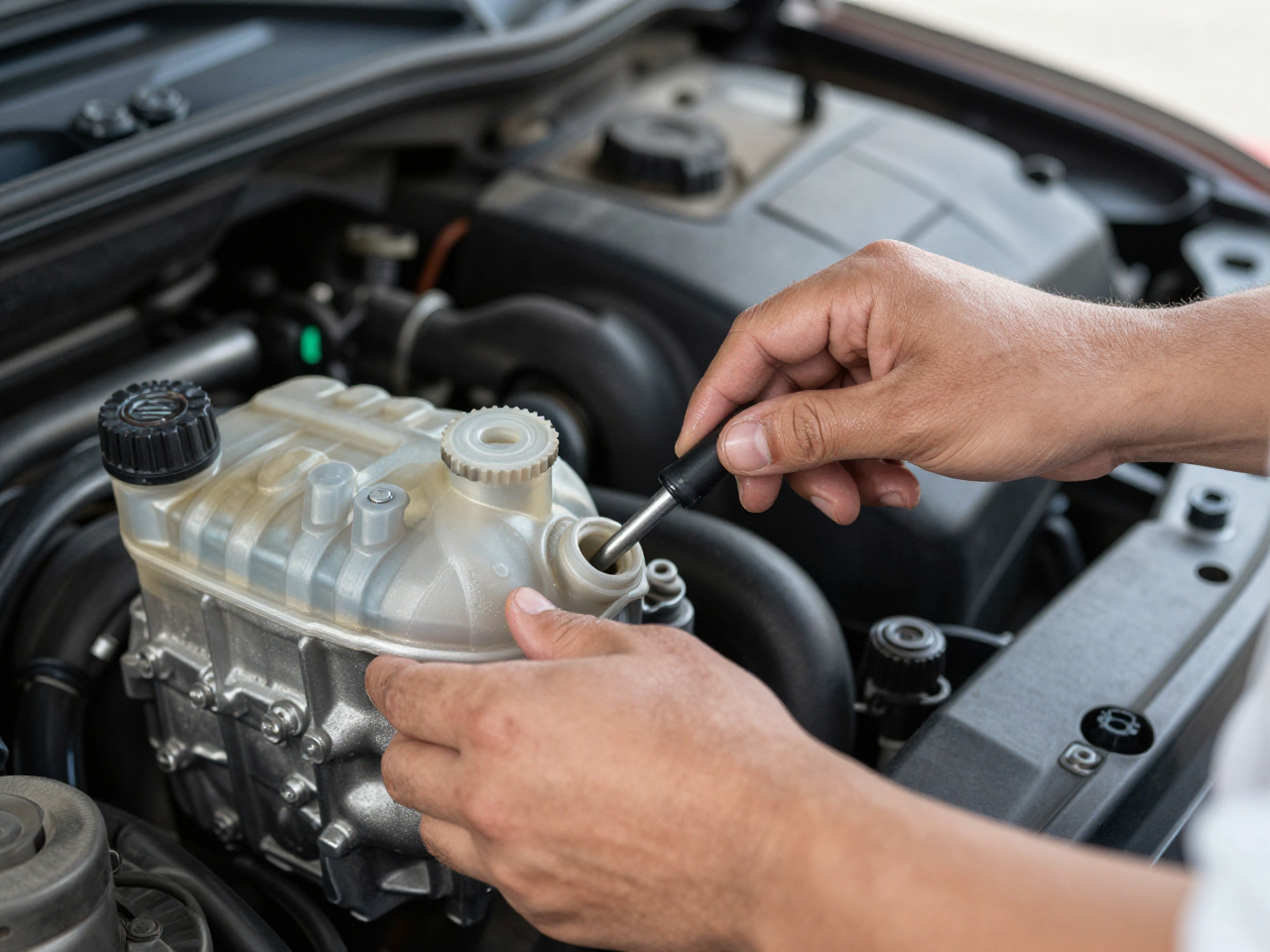
Your vehicle’s transmission is one of its most complex and vital components. Whether you’re shifting gears yourself or letting a computer do the work, the transmission relies on specialised fluid to lubricate moving parts, reduce heat, and provide the hydraulic pressure needed for gear changes. Knowing how to check transmission fluid is a fundamental skill that can save you thousands of dollars in unnecessary repair costs.
In this guide, we break down the differences between an automatic transmission fluid check and a manual transmission fluid inspection, identify the most common low transmission fluid symptoms, and explain why keeping this fluid in peak condition is essential for your vehicle’s longevity on Australian roads.
Why Knowing How to Check Transmission Fluid Matters
Unlike engine oil, which is consumed in small amounts over time, transmission fluid stays within a closed system. If your fluid levels are dropping, it usually indicates a leak. Beyond lubrication, transmission fluid also cleans and cools the entire system. Over time, the fluid can break down or become contaminated with metal shavings, leading to catastrophic internal damage.
Learning how to check transmission fluid allows you to catch these issues early, ensuring your car remains reliable whether you’re navigating Sydney peak hour or heading off-road for the weekend.
Low Transmission Fluid Symptoms to Watch For
Before you even pop the bonnet, your car might be trying to tell you something is wrong. Recognising low transmission fluid symptoms early is the first step in preventing a breakdown. Here are the most common warning signs:
- Slipping Gears: If the engine revs up but the vehicle doesn’t seem to gain speed, the transmission is slipping due to insufficient hydraulic pressure.
- Rough or Hesitant Shifting: Feeling a “clunk” or a delay when the car changes gears is a classic sign you need a transmission fluid level check.
- Strange Noises: A whining or grinding sound while in gear often points to metal-on-metal friction caused by insufficient lubrication.
- Overheating: Transmission fluid is a coolant. Without enough of it, the gearbox will run hot, often accompanied by a distinct burning smell.
- Puddles Under the Car: Bright red or dark brown fluid leaking onto your driveway is a dead giveaway of a transmission seal or gasket failure.
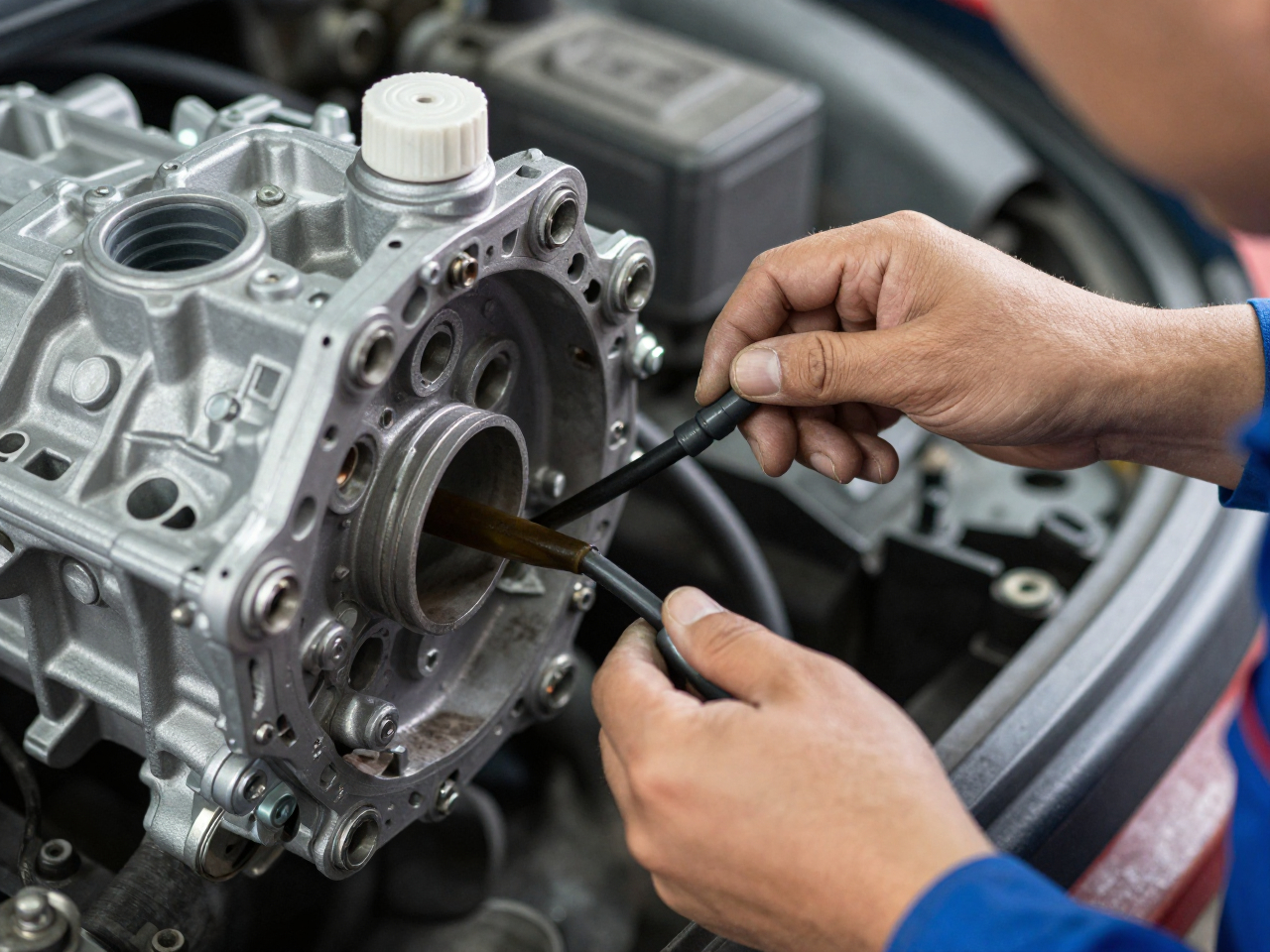
How to Perform an Automatic Transmission Fluid Check
In automatic vehicles, the transmission fluid acts as both a lubricant and a hydraulic medium. Most older automatics include a dipstick, which makes an automatic transmission fluid check relatively straightforward.
Step 1: Warm Up the Engine
Automatic transmission fluid (ATF) expands when it gets hot. To get an accurate reading, drive the car for about 10–15 minutes until it reaches operating temperature.
Step 2: Park on Level Ground
Ensure the vehicle is on a flat surface. Park the car and, with your foot on the brake, move the gear selector through all gears (P, R, N, D) before returning to ‘Park’. This ensures the fluid is circulated through the entire valve body.
Step 3: Locate the Dipstick
Pop the bonnet. Look for a dipstick handle that is typically red or yellow and located further back in the engine bay than the engine oil dipstick. (Note: Many modern “sealed” transmissions do not have a dipstick; these require a professional transmission fluid level check at a workshop like NM Performance.)
Step 4: Wipe and Re-insert
Pull the dipstick out, wipe it clean with a lint-free rag, re-insert it fully, and pull it out again.
Step 5: Read the Level
The dipstick will have “Cold” and “Hot” markings. Since you warmed the car up, the fluid should be between the two notches in the “Hot” section. If it is below the bottom notch, you have low fluid levels.
How to Perform a Manual Transmission Fluid Inspection
Manual gearboxes do not use a dipstick. Performing a manual transmission fluid inspection is a bit more involved and usually requires getting under the vehicle.
Step 1: Secure the Vehicle
You will need to lift the car using a jack and secure it with jack stands. Never work under a car supported only by a jack.
Step 2: Find the Fill Plug
The manual transmission has two plugs: a drain plug at the bottom and a fill plug on the side of the gearbox casing. You are looking for the fill plug.
Step 3: Remove the Plug
Carefully unscrew the fill plug. In a manual gearbox, the gear oil level should sit flush with the bottom of the fill hole.
Step 4: Check the Level by Hand
Insert your finger into the fill hole. If you can feel the fluid right at the edge, your level is correct. If you have to reach down to find fluid, it is low and needs topping up.
Assessing Fluid Quality: Colour and Smell
Knowing how to check transmission fluid isn’t just about the volume; it’s about the condition.
- Healthy Fluid: Translucent and bright red for most automatics, or honey-coloured for manuals.
- Contaminated Fluid: Dark brown or black fluid has oxidised and is no longer protecting your transmission effectively.
- Burnt Fluid: If it smells like burnt toast, the internal clutches may be slipping and overheating.
- Milky Fluid: This indicates water or engine coolant has leaked into the transmission. This is a “stop driving immediately” scenario.