
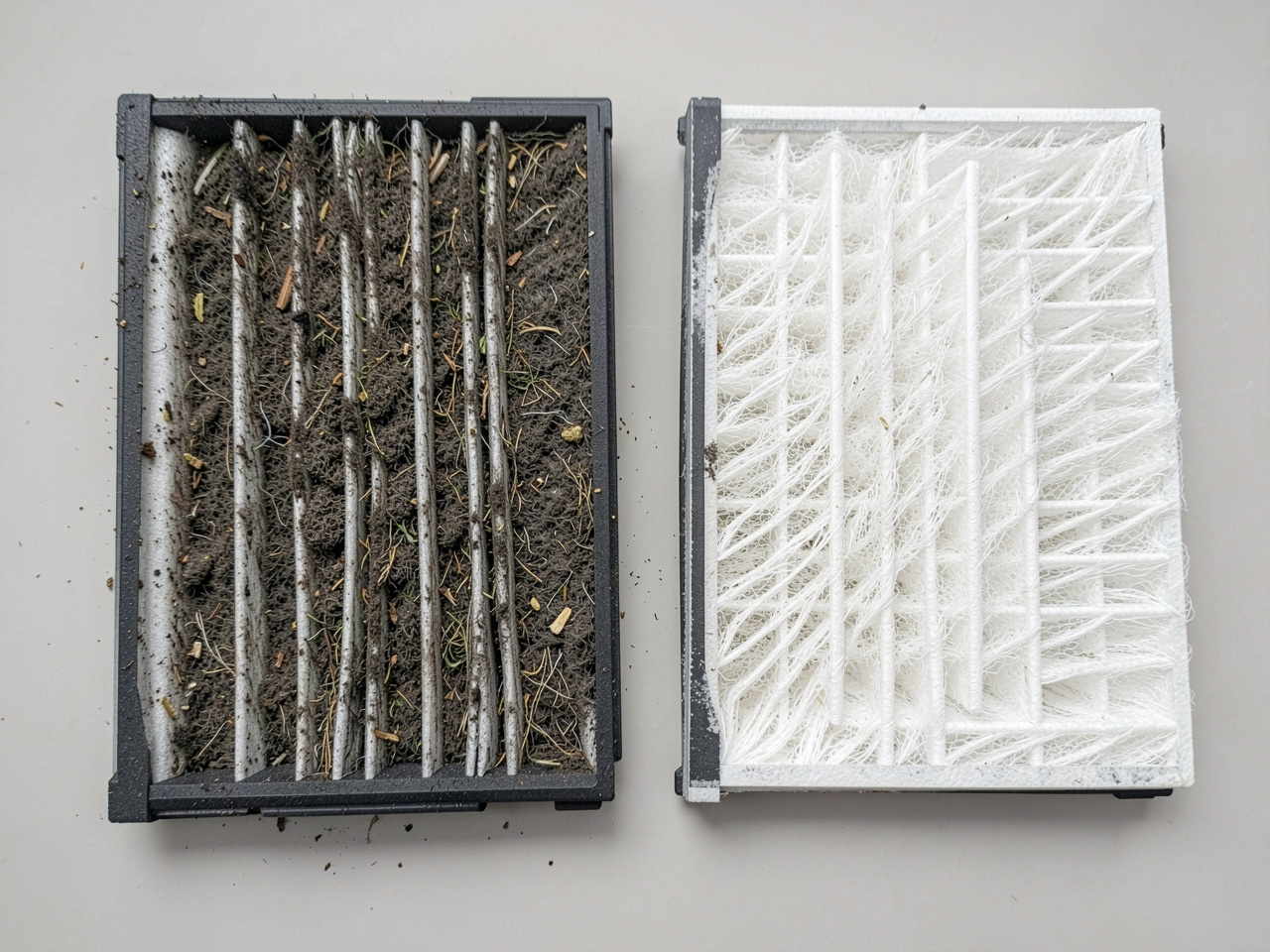
Have you noticed a strange, musty smell coming from your air conditioning vents lately? Or perhaps your windscreen takes much longer to defog during a rainy morning on the Northern Beaches? These are classic signs that your vehicle is overdue for a cabin filter replacement.
Often overlooked during DIY maintenance, the cabin air filter is the unsung hero of your car’s interior. It is responsible for ensuring the air you breathe while driving is free from dust, pollen, soot, and other airborne pollutants. In this comprehensive guide, we will walk you through the importance of this service, the cabin filter replacement cost, and a detailed step-by-step tutorial to get the job done.
What is a Cabin Air Filter?
Before diving into the cabin filter replacement process, it is important to understand what this component does. Unlike the engine air filter, which prevents dirt from entering the motor, the cabin air filter cleans the air entering the passenger compartment through the heating, ventilation, and air conditioning (HVAC) system.
For those living in Australia, where bushfire smoke, coastal salt, and heavy pollen are common, a functioning cabin air filter is essential for maintaining a healthy driving environment, particularly for those with asthma or allergies.
Why You Need a Cabin Filter Replacement
Neglecting your cabin air filter can lead to several issues that affect both your health and your vehicle’s performance:
- Poor Air Quality: A clogged filter allows allergens, mould spores, and bacteria to circulate freely inside the cabin.
- HVAC Strain: When the filter is blocked, your blower motor has to work harder to push air through, which can lead to premature failure.
- Reduced Defrosting Performance: Restricted airflow makes it harder to clear condensation from the inside of your windows.
- Unpleasant Odours: Organic matter trapped in the filter can rot, causing a lingering “dirty sock” smell.
When is the Right Cabin Filter Change Interval?
The standard cabin filter change interval is typically every 15,000 to 25,000 kilometres, or once a year. However, your specific driving conditions in Australia may require more frequent attention.
- City Drivers: If you spend your time in Sydney CBD traffic, your filter will trap more exhaust soot and fine particulates.
- Rural or Off-Road Drivers: Frequent driving on unsealed roads means your filter will clog with dust much faster.
- Coastal Areas: Salt air can cause moisture to sit in the filter, leading to mould growth.
At NM Performance, we recommend checking the filter during every minor service to ensure it remains clean.
How Much Does Cabin Filter Replacement Cost?
One of the most common questions we hear is about the cost of replacing the cabin filter. Fortunately, this is one of the most affordable maintenance tasks you can perform.
- The Part: A standard charcoal or particulate filter usually costs between $25 and $60, depending on your vehicle make and model.
- Professional Labour: If you have it completed during a routine service at a workshop like NM Performance, the labour cost is minimal, typically adding only $20 to $40 to the total since access is usually straightforward.
Compared to the cost of repairing a burnt-out blower motor, a timely cabin filter replacement is an absolute bargain.
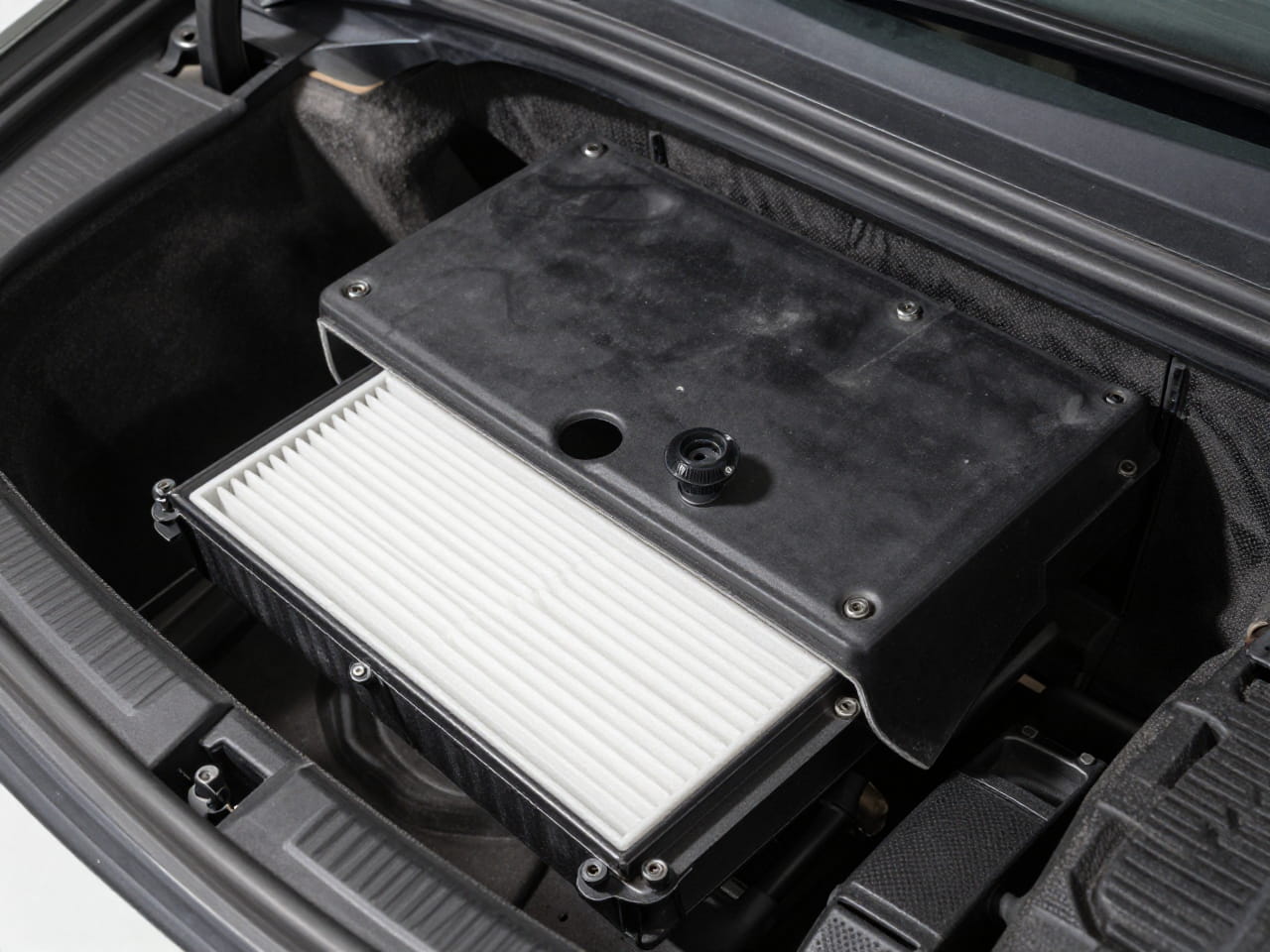
Step-by-Step Guide: How to Replace Your Cabin Air Filter
Most modern vehicles make cabin air filter replacement a relatively simple task that can be completed in under 15 minutes. While locations vary, the most common spot is behind the glove box.
Tools Needed:
- A new, high-quality cabin air filter.
- A small screwdriver (in some cases).
- A torch or work light.
Step 1: Locate the Filter Housing
Check your owner’s manual. In 80% of cars, the filter is located behind the glove box. Other common locations include under the dashboard on the passenger side, or under the plastic cowl near the windscreen in the engine bay.
Step 2: Open or Remove the Glove Box
Open the glove compartment and empty the contents. Most glove boxes have a “damper” arm on the side. Unclip this first. Then, squeeze the sides of the box inwards to bypass the stoppers, allowing the box to drop down towards the floor.
Step 3: Remove the Filter Cover
You will see a rectangular plastic cover. This usually has clips on the side that you can pinch with your fingers. Gently pop the cover off to reveal the old filter.
Step 4: Remove the Old Filter
Slide the old filter out. Note the airflow direction arrows printed on the side of the filter, you will need to install the new one in the same orientation. While you have it out, check the overall condition. If it’s black or packed with leaves and grime, you’re well overdue for a cabin filter change!
Step 5: Clean the Housing
Use a vacuum or a damp cloth to wipe out any remaining leaves or dust from the housing before sliding in the new unit.
Step 6: Install the New Filter
Slide in your new cabin air filter, ensuring the airflow direction arrows point correctly (typically downward).
Step 7: Reassemble
Clip the cover back on, lift the glove box back into place, reattach the damper arm, and you’re done!