
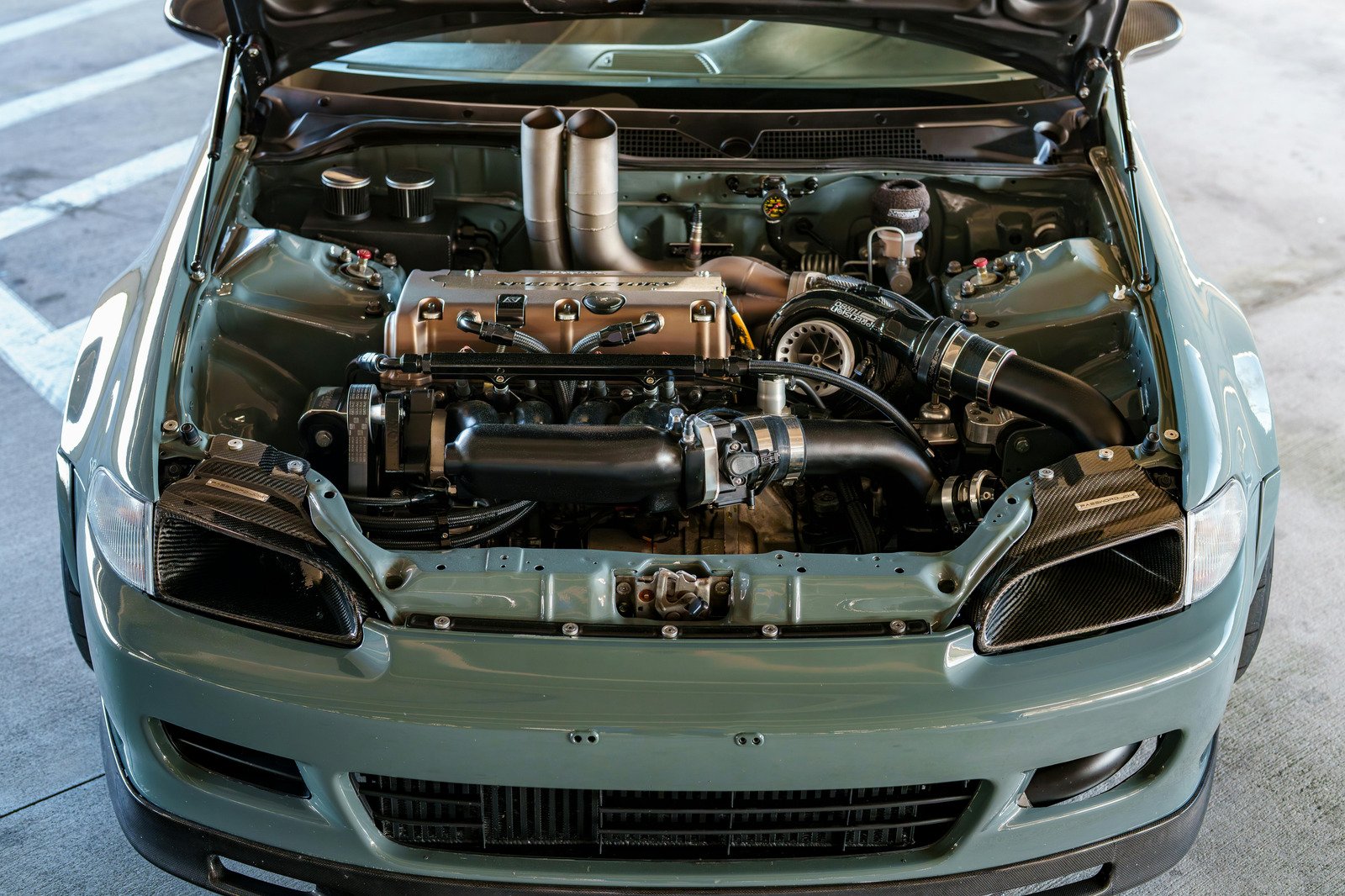
European performance cars are built on engineering precision, powerful engines, and a refined driving experience. Brands such as BMW, Audi, Mercedes-Benz, and Porsche are popular among Australian drivers who enjoy high performance and luxury. However, like any complex mechanical system, even the most advanced gearbox can develop faults over time. Identifying gearbox issues early can save you from costly repairs and keep your car performing at its best.
This guide explains the most common gearbox issues found in European performance vehicles and what drivers should watch for.
Why European Performance Cars Experience Gearbox Problems
European cars often use advanced transmission systems designed to improve acceleration, efficiency, and driving comfort. Many models use dual-clutch transmissions, advanced automatic gearboxes, or sophisticated manual gear systems.
While these systems deliver excellent performance, they can be sensitive to poor maintenance, worn parts, or hard driving conditions. Over time, this can lead to gearbox issues that affect how smoothly the car moves through the gears.
Routine servicing and professional inspections can help detect problems before they become major mechanical failures.
1. Delayed or Rough Gear Changes
One of the most common gearbox issues in European performance vehicles is delayed or rough gear changes. Drivers may notice hesitation when accelerating or feel a sharp jerk as the car moves through the gears.
This can occur due to:
- Worn clutch packs
- Contaminated transmission fluid
- Faulty sensors or control modules
- Software calibration issues
During a professional car general servicing appointment, technicians can inspect the transmission fluid condition and check for electronic faults using diagnostic equipment.
2. Transmission Fluid Leaks
Another common cause of gearbox trouble is a transmission fluid leak. Performance vehicles rely on high-quality transmission fluid to lubricate internal components and maintain proper pressure inside the gearbox.
Common causes of leaks include:
- Damaged seals
- Worn gaskets
- Cracked transmission housings
- Loose fluid lines
If drivers notice fluid under their car or experience slipping gears, they should schedule a mechanical inspection immediately. Ignoring fluid leaks can quickly lead to severe transmission damage.
3. Slipping Gears
Gear slip is a serious transmission problem where the car unexpectedly jumps out of gear or struggles to hold a gear. This is one of the more noticeable gearbox problems and can seriously affect how your car performs.
Symptoms may include:
- Sudden loss of acceleration
- High engine revs without speed increase
- Difficulty maintaining gear position
In many cases, slipping gears are caused by worn clutch components or internal transmission wear. A professional mechanic may need to inspect the drivetrain and possibly recommend clutch replacement services if the clutch system is involved.
4. Unusual Noises from the Gearbox
Grinding, whining, or clunking sounds while driving can be an early sign of gearbox wear or damage. European performance transmissions are engineered to operate smoothly, so unusual noises are often a sign of mechanical wear.
Possible causes include:
- Worn bearings
- Damaged gear teeth
- Low transmission fluid
- Internal gearbox damage
These sounds should never be ignored. Catching them early during a routine logbook service can prevent more serious mechanical damage down the track.
5. Warning Lights and Electronic Transmission Faults
Modern European vehicles rely heavily on electronic control systems to manage the gearbox. When sensors detect irregular behaviour, warning lights will often appear on the dashboard.
Electronic gearbox issues may involve:
- Faulty transmission control modules
- Sensor failures
- Software glitches
- ECU communication problems
Professional mechanics use advanced diagnostic equipment to read fault codes and identify the exact issue. This process is commonly performed during engine diagnostics or performance car servicing.
6. Overheating Transmission Systems
Performance vehicles often operate under greater stress, particularly during hard driving or stop-start traffic conditions. Excessive heat can cause internal gearbox components to wear out prematurely.
Overheating-related gearbox issues may occur due to:
- Low transmission fluid levels
- Blocked cooling systems
- Heavy towing or high-performance driving
- Poor maintenance
Regular inspections and preventive servicing can help keep the transmission system functioning properly.
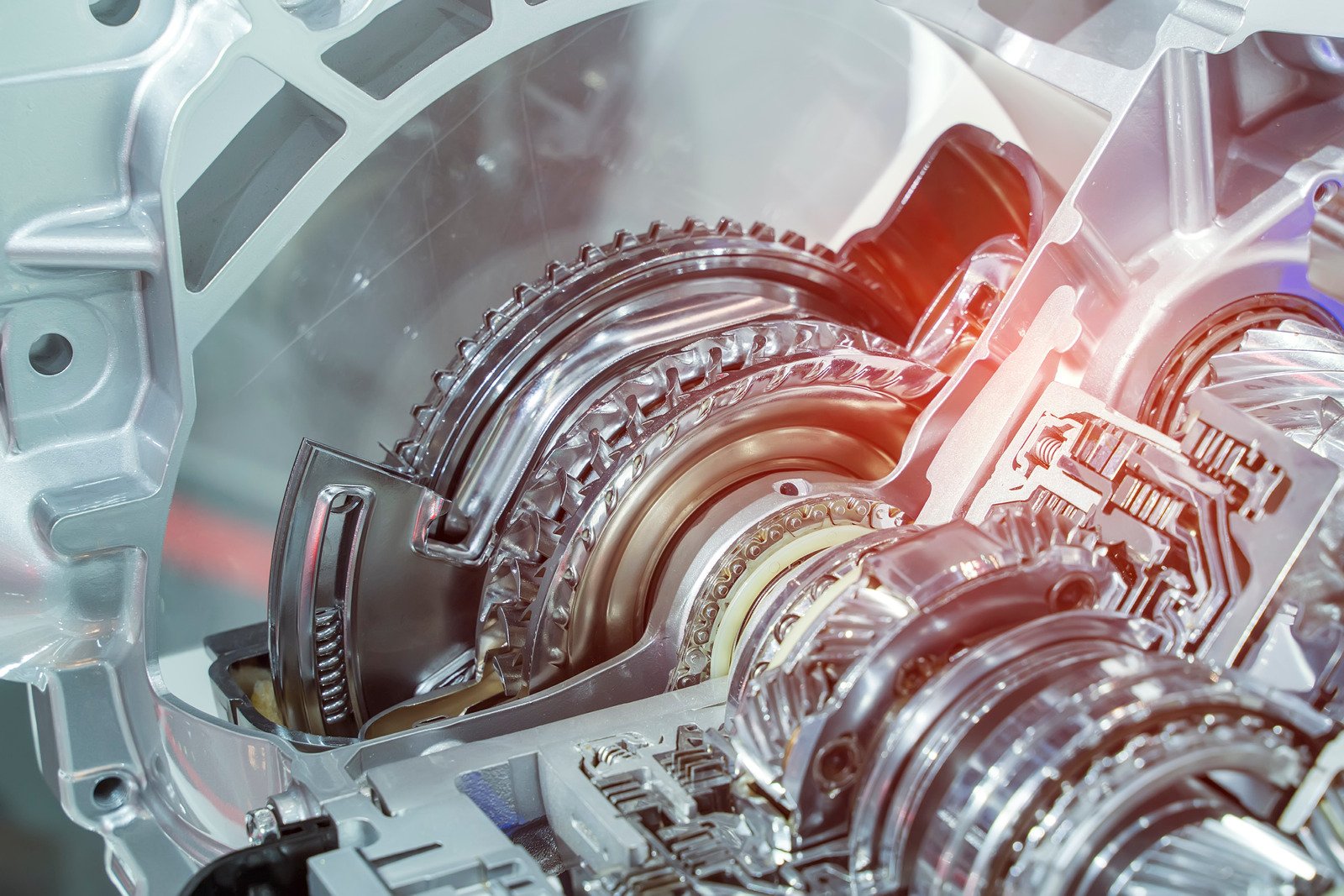
How Regular Maintenance Prevents Gearbox Problems
Preventive maintenance plays a key role in reducing gearbox problems in European performance vehicles. Professional mechanics recommend regular servicing to maintain transmission health.
Maintenance typically includes:
- Checking transmission fluid levels
- Inspecting seals and gaskets
- Scanning electronic control systems
- Monitoring drivetrain components
Routine servicing at a trusted workshop like NM Performance Automotive means potential issues are caught early, before they become costly repairs.
When to Visit a Professional Mechanic
Drivers should seek professional help if they notice:
- Delayed gear shifts
- Transmission warning lights
- Fluid leaks
- Grinding noises
- Poor acceleration
Leaving these symptoms unchecked can lead to costly repairs or complete gearbox failure. A skilled mechanic can perform a detailed inspection and recommend appropriate solutions.