
Understanding how to calculate fuel efficiency helps you track running costs, improve driving habits, and detect potential mechanical issues early. While modern cars often display fuel consumption on the dashboard, doing the calculation yourself gives you a more accurate picture of your vehicle’s real-world performance.
Whether you drive daily for work or weekend trips, knowing how much fuel your car uses can save money and highlight when servicing may be required.
Why Fuel Efficiency Matters
Fuel efficiency directly affects your vehicle’s operating costs. A sudden spike in consumption can point to engine wear, low tyre pressure, or overdue maintenance.
Tracking your fuel economy also lets you compare performance before and after servicing, a tune-up, or suspension upgrades.
Keeping track of fuel economy is a smart habit for every car owner.
The Basic Fuel Efficiency Formula
Calculating fuel efficiency is simple and requires only two numbers: distance travelled and fuel used.
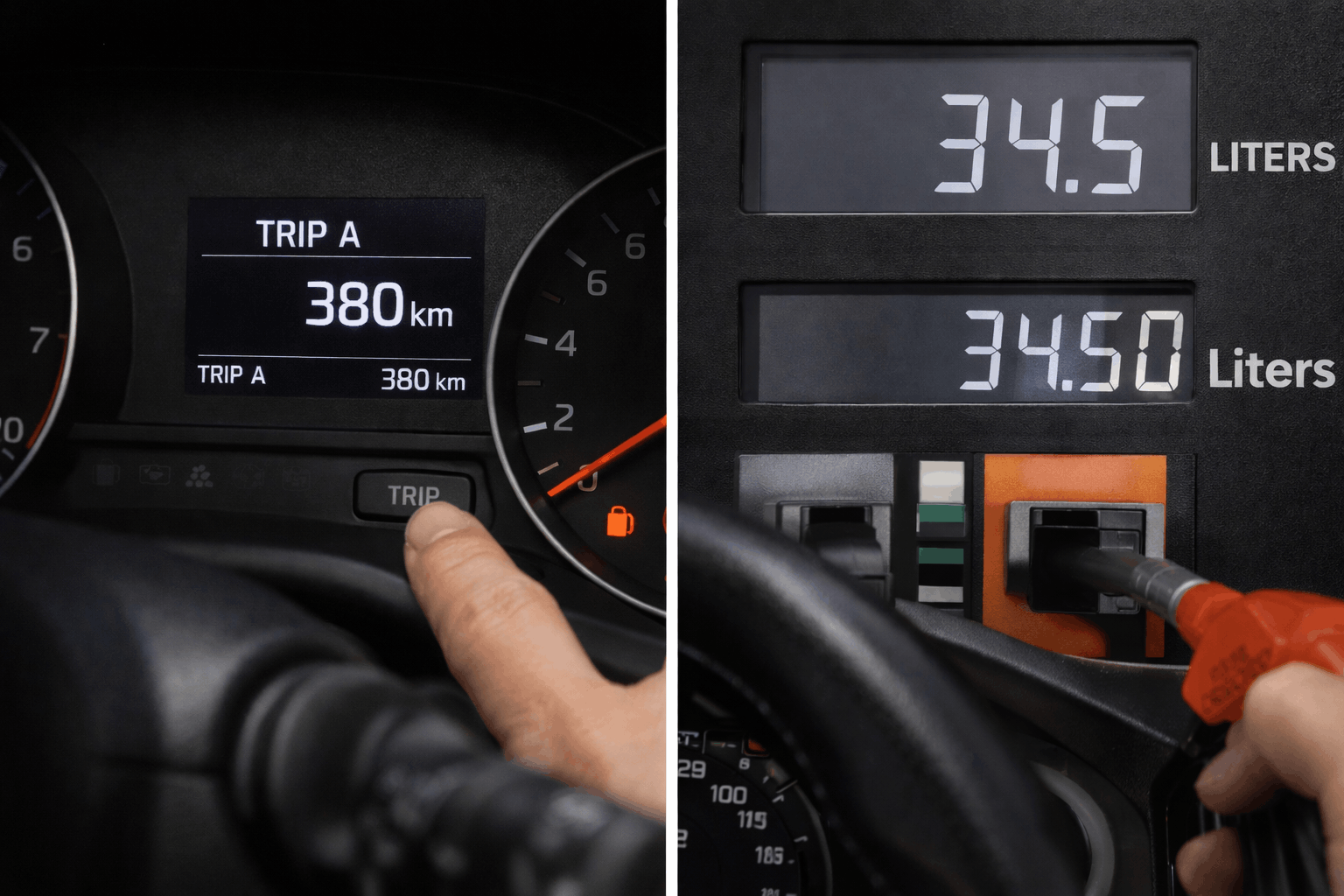
Step 1: Fill your fuel tank completely and reset your trip meter.
Step 2: Drive as normal until your next refill.
Step 3: Refill the tank fully and record the litres required.
Step 4: Note the kilometres travelled on your trip meter.
Now use this formula:
Fuel Efficiency (L/100km) = (Litres Used ÷ Kilometres Travelled) × 100
For example, if you used 50 litres to travel 600 km:
50 ÷ 600 × 100 = 8.3 L/100km
This means your car uses 8.3 litres of fuel for every 100 kilometres driven.
Understanding how to calculate fuel efficiency using this method ensures accurate real-world results.
Calculating Kilometres Per Litre
Some drivers prefer to calculate kilometres per litre rather than litres per 100 km.
Formula:
Kilometres per Litre = Kilometres Travelled ÷ Litres Used
Using the same example:
600 ÷ 50 = 12 km per litre
Both methods are correct, but L/100km is the standard measurement used in Australia.
What Affects Fuel Efficiency?
A range of factors can influence your vehicle’s fuel consumption.
Driving Style
Aggressive acceleration and heavy braking are two of the biggest contributors to poor fuel economy. Adopting a smoother driving style, such as gradual acceleration and early braking, can make a noticeable difference to your consumption figures.
Vehicle Maintenance
Poor maintenance is a major cause of higher fuel consumption. Regular car servicing and logbook servicing keep your engine running efficiently.
Dirty air filters, old spark plugs, and worn components reduce performance and increase fuel use.
Tyre Pressure
Underinflated tyres increase rolling resistance, forcing the engine to work harder. Routine inspections and brake services ensure tyres and braking systems operate efficiently.
Engine Condition
Engine issues such as faulty sensors or incomplete combustion can quietly drain your fuel economy. Catching these early with timely engine repairs prevents small faults from turning into costly problems.
Clutch and Transmission Wear
Worn clutches or transmission problems can reduce efficiency. Clutch replacement services restore smooth power transfer and improve performance.
Knowing how to calculate fuel efficiency makes it easier to detect when something isn’t working as it should.
How Servicing Improves Fuel Economy
Regular maintenance ensures all systems operate at peak efficiency. Clean oil reduces engine friction. Properly aligned wheels and suspension upgrades improve stability and reduce resistance.
When fuel economy improves after servicing, it confirms your vehicle is operating efficiently. If it declines, it may indicate the need for further inspection.
Keeping tabs on your fuel economy helps you accurately measure the real impact of any work done on your vehicle.
Comparing Your Results to Manufacturer Claims
Manufacturers provide estimated fuel consumption figures under controlled testing conditions. Real-world results may vary due to traffic, terrain, and driving habits.
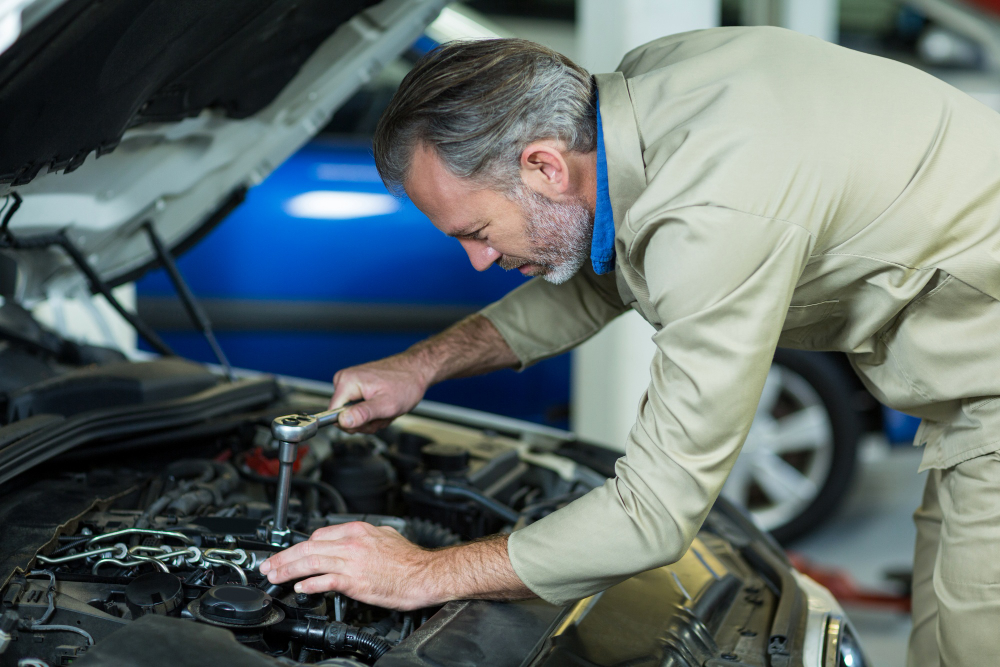
If your figures are consistently worse than the manufacturer’s rating, it’s worth having your vehicle looked at by a qualified mechanic to rule out any underlying issues.
Knowing how to calculate fuel efficiency over consistent intervals gives you a reliable baseline for your vehicle’s real-world performance.
Common Mistakes When Calculating Fuel Efficiency
- Not filling the tank fully each time
- Forgetting to reset the trip meter
- Calculating based on partial refills
- Driving inconsistently between calculations
For reliable, accurate results, consistency in your method is everything.